
frosted glass for sale
Understanding the Importance and Functionality of Stainless Steel Pipe Clamps Stainless steel pipe clamps, an essential component in various industries, play a crucial role in securing and supporting pipes in numerous applications. These clamps, constructed from high-quality stainless steel, offer a robust and durable solution to pipe installation and maintenance tasks. Stainless steel, known for its excellent corrosion resistance and strength, is the ideal material for manufacturing pipe clamps. The inclusion of chromium in the steel composition gives it the ability to resist rusting and degradation over time, making it suitable for use in harsh environments, such as chemical plants, oil refineries, and marine settings. Moreover, the inherent toughness and durability of stainless steel ensure that these clamps can withstand heavy loads and extreme temperatures without degrading or failing. A pipe clamp, fundamentally, is a device designed to hold pipes securely in place, preventing any unwanted movement or vibrations that could lead to leaks or damage. The stainless steel variety offers additional benefits due to its non-magnetic properties and aesthetic appeal, which makes it a popular choice in both industrial and domestic settings. They come in various designs, including single band, double band, and hinged types, each tailored to specific pipe sizes and application requirements. The single-band clamp, for instance, is a simple yet effective design, consisting of a single band with a bolt and nut mechanism. It is ideal for quick installations on smaller diameter pipes. Double-band clamps, on the other hand, provide increased stability and support, particularly useful for larger pipes or those carrying high-pressure fluids Double-band clamps, on the other hand, provide increased stability and support, particularly useful for larger pipes or those carrying high-pressure fluids Double-band clamps, on the other hand, provide increased stability and support, particularly useful for larger pipes or those carrying high-pressure fluids Double-band clamps, on the other hand, provide increased stability and support, particularly useful for larger pipes or those carrying high-pressure fluids stainless steel pipe clamp . Hinged clamps allow easy access to the pipe for maintenance or adjustments, making them convenient in situations where frequent servicing is necessary. In addition to their functional attributes, stainless steel pipe clamps contribute significantly to safety in industrial operations. By ensuring a secure hold on pipes, they minimize the risk of leaks, spills, and accidents. Their resistance to corrosion also extends the lifespan of the pipe infrastructure, reducing the need for frequent replacements and maintenance, thereby saving costs in the long run. Furthermore, the versatility of stainless steel pipe clamps allows them to be used in a multitude of industries, from plumbing and HVAC systems to automotive and aerospace engineering. Their adaptability and resilience make them indispensable tools in modern construction and manufacturing processes. In conclusion, stainless steel pipe clamps are more than just a simple mechanical device; they are a testament to the power of combining functionality and durability in engineering solutions. Their use not only ensures efficient and safe pipe management but also contributes to sustainability by reducing the need for constant repairs and replacements. As technology advances, we can expect even more innovative designs and applications of these versatile clamps in the future.
about
frosted glass for sale
Understanding Frame Levels A Comprehensive Overview In the realm of photography, videography, and design, the concept of frame levels plays a pivotal role in how we perceive and compose visual narratives. Frame levels refer to the various heights or angles at which a camera or a design element is positioned to capture or present a subject. This article seeks to explore the significance of frame levels, their impact on storytelling, and tips for effectively utilizing them in your work. The Importance of Frame Levels Frame levels are crucial in determining how a viewer interprets an image or a scene. Different frame levels can elicit varied emotional responses and can guide the viewer's eye in specific ways. For instance, shooting from a low angle tends to empower the subject, making them appear larger and more dominant. Conversely, a high angle can create a sense of vulnerability or insignificance, as the subject is seen from above. This manipulation of perspective is not just a technique; it’s a form of visual storytelling that can dramatically affect the narrative being conveyed. A photographer or filmmaker must carefully consider the frame level choices they make to ensure they align with the intended message or emotion. The Mechanics of Frame Levels Frame levels can be categorized primarily into three basic angles low, eye-level, and high . 1. Low Angle This approach involves positioning the camera below the subject. It generally creates a sense of scale and can elevate the subject’s impact. For example, in a film, a hero might be captured from a low angle during a triumphant moment, which visually reinforces their strength and authority. 2. Eye Level The most neutral frame level, typically representing how we view the world. This angle fosters a sense of equality between the viewer and the subject. It's often employed in documentaries and interviews as it facilitates a direct connection between the audience and the subject, conveying authenticity and relatability. frame levels 3. High Angle Shooting from above can diminish the subject’s presence, making them appear smaller or more vulnerable. This technique is often used in scenes that intend to evoke sympathy or may suggest a lack of power. Practical Tips for Implementing Frame Levels To effectively utilize frame levels in your work, consider the following strategies - Think about your subject Always have a clear understanding of the characteristics and emotions you want to convey about your subject. Choose a frame level that aligns with this narrative. - Experiment with angles Don’t be afraid to move around and explore various angles. Each change in frame level can reveal different nuances of your subject, contributing to a richer storytelling experience. - Pay attention to the surroundings The environment can also influence the impact of different frame levels. A cluttered background may detract from the subject, while a clean backdrop can enhance focus. - Review and Analyze After shooting, review your footage or images critically. Compare various frame levels and how they affect the visual narrative. This practice will help refine your skills and develop a more instinctual use of angles in future projects. Conclusion Frame levels are an essential tool in the arsenal of any visual storyteller, be it photographers, filmmakers, or designers. By understanding and effectively applying different frame levels, creators can significantly enhance their work, guiding the audience’s perception and emotional response. Whether you’re capturing a fleeting moment or crafting a carefully staged scene, the angles you choose can profoundly impact how your story is received. Embrace the power of frame levels, and let them elevate your visual storytelling to new heights.
-

High quality industrial productsagement

High quality industrial products
View Details -

Meet the diverse needs of customers

Meet the diverse needs of customers
View Details -

Strict quality control

Strict quality control
View Details -

Top raw materials

Top raw materials
View Details -

Trusted supplier

Trusted supplier
View Details
Our application


news and information
water valve pressure
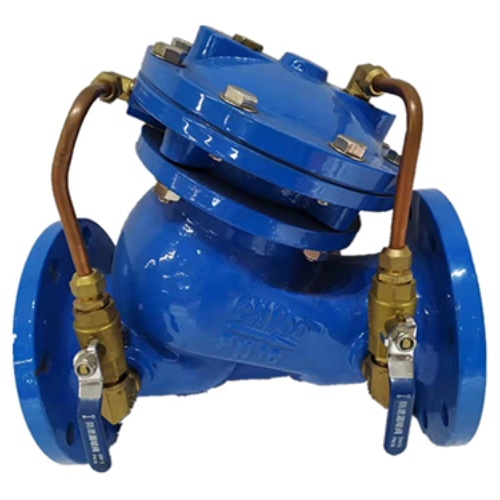
Effectively managing water systems at home or in industrial settings hinges on understanding the nua

Van bướm chất lượng cao - Giải pháp van công nghiệp hiệu quả
Công ty van bướm (butterfly valve company) đã và đang đóng một vai trò quan trọng trong ngành công n
Water gate valve price
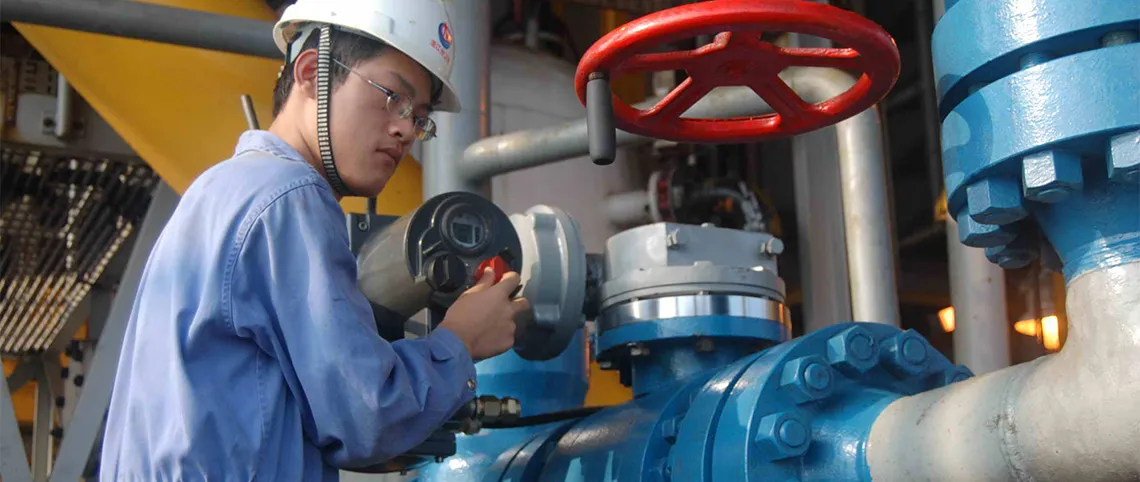
In the complex landscape of water management and distribution systems, the water gate valve holds a
 English